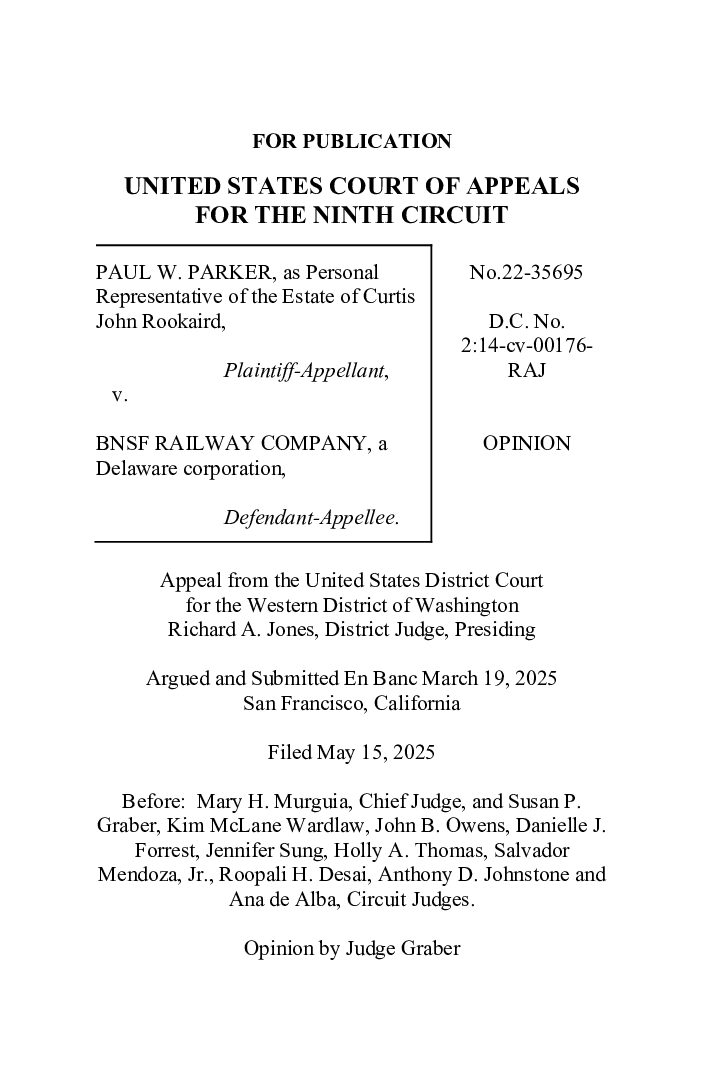
Even when you’re doing the right thing by speaking up about safety issues or following proper safety procedures, you can still lose your job if you violate other workplace rules. The recent Rookaird v. BNSF Railway case is a reminder that legal protection for safety-related activities doesn’t create a shield against termination for unrelated misconduct like falsifying timesheets, refusing direct orders, or creating workplace conflicts.
What This Means for Employees
If you engage in protected safety activities – whether it’s reporting hazards, refusing unsafe work, or following safety protocols – you’re legally protected from retaliation. However, that protection has limits. Employers can still fire you for legitimate reasons unrelated to your safety advocacy, and courts will uphold those terminations if the company can prove they would have made the same decision regardless of your protected activities.
How to Protect Yourself:
• Document everything related to both your safety concerns and your overall work performance.
• Follow all workplace policies meticulously, especially regarding timekeeping, attendance, and professional conduct.
• Maintain professionalism even when tensions are high or you disagree with management decisions.
• Keep detailed records of any safety-related activities and communications.
• Avoid giving employers ammunition through poor performance, policy violations, or workplace conflicts.
This case is also a reminder that the wheels of justice turn slowly. Note that in 2025 the courts are still adjudicating a termination that occurred in 2010.
Safety First, But Not Safety Only
Published on: